
Experience Morocco’s greatest highlights in one unforgettable journey. This 15 day Morocco tour starts and ends in Tangier, covering northern Morocco, the Atlantic coast, Marrakech, the High and Middle Atlas Mountains, Aït Ben Haddou, Dades Valley, Todra Gorge, Merzouga and the Sahara Desert, Fes, and Chefchaouen.
Perfect for first-time visitors, this comprehensive 15 days Morocco itinerary combines imperial cities, ancient kasbahs, dramatic mountain passes, palm oases, and two nights in the Sahara with camel trekking and overnight desert camp.
15 Day Morocco Tour at a Glance
| Trip Detail | Information |
| Duration | 15 days / 14 nights |
| Starting Point | Tangier (port or airport pickup) |
| Ending Point | Tangier (port or airport drop-off) |
| Tour Style | Private, customizable, guided |
| Main Regions | North, Atlantic coast, Atlas Mountains, Sahara Desert |
| Sahara Experience | Merzouga, Erg Chebbi dunes, camel trek, overnight desert camp |
| Major Cities | Tangier, Rabat, Casablanca, Essaouira, Marrakech, Fes, Chefchaouen |
| Key Highlights | Aït Ben Haddou (UNESCO), Todra Gorge, Dades Valley, Ziz Valley, Ifrane, Azrou cedar forest |
| Transport | Air-conditioned 4×4 or minibus with professional driver-guide |
| Accommodation | Hotels, traditional riads, 1 night Sahara desert camp |
| Best For | First-time visitors, couples, families, small groups, photographers, culture travelers |
| Meals | Daily breakfast, dinners at desert camp and selected nights |
Why Choose This 15 Day Morocco Tour?
Complete Morocco Journey in One Trip
This 15 day Morocco itinerary covers everything travelers dream of: Mediterranean gateway (Tangier), blue city (Chefchaouen), imperial cities (Fes, Marrakech, Rabat), Atlantic coast (Essaouira), High Atlas Mountains, ancient kasbahs (Aït Ben Haddou), dramatic gorges (Todra, Dades), and the iconic Sahara Desert (Merzouga, Erg Chebbi).
Most shorter tours force you to choose between north or south. This Morocco grand tour 15 days delivers both.
From Northern Morocco to the Sahara
Your journey begins in Tangier, where you can arrive by ferry from Spain or fly into Tangier Ibn Battouta Airport. The route flows naturally: Tangier → Chefchaouen → Fes → Middle Atlas → Merzouga Sahara → Dades → Todra → Ouarzazate → Aït Ben Haddou → Marrakech → Essaouira → Rabat → Casablanca → back to Tangier.
This logical progression minimizes backtracking and maximizes experiences.
Cities, Mountains, Desert and Coast, All in One Tour
Unlike tours that focus only on Marrakech and Sahara, this 15 days in Morocco itinerary includes:
- Imperial cities: Fes, Marrakech, Rabat
- Atlantic coast: Essaouira, El Jadida, Casablanca
- Atlas Mountains: High Atlas (Tizi n’Tichka 2,260m), Middle Atlas (Ifrane, Azrou)
- Sahara Desert: Merzouga, Erg Chebbi dunes, overnight camp
- Historic kasbahs: Aït Ben Haddou (UNESCO), Telouet, Skoura
- Dramatic landscapes: Todra Gorge (300m cliffs), Dades Valley, Ziz palm oasis
This diversity is what makes a 15 day Morocco tour from Tangier so special.
Authentic Sahara Experience, Not Just a Drive-Through
Many tours rush through Merzouga. This itinerary dedicates two full days to the Sahara:
- Sunset camel trek across Erg Chebbi dunes
- Overnight in traditional Berber desert camp
- Gnawa music performance in Khamlia village
- Visit to nomadic family for Berber tea ceremony
- 4×4 desert excursion to hidden oases
- Sunrise over golden dunes
- Stargazing in complete darkness
The Sahara isn’t a checkbox, it’s a highlight.
Flexible and Fully Customizable
Every traveler is different. This Morocco 15 day tour can be customized:
- Add extra nights in Marrakech, Fes, or Merzouga
- Upgrade to luxury riads and premium desert camps
- Adjust starting/ending city (Casablanca, Marrakech, Fes)
- Modify activities based on interests (hiking, photography, food tours)
- Accommodate dietary requirements (vegetarian, halal, gluten-free)
Contact us for a personalized quote based on your preferences.
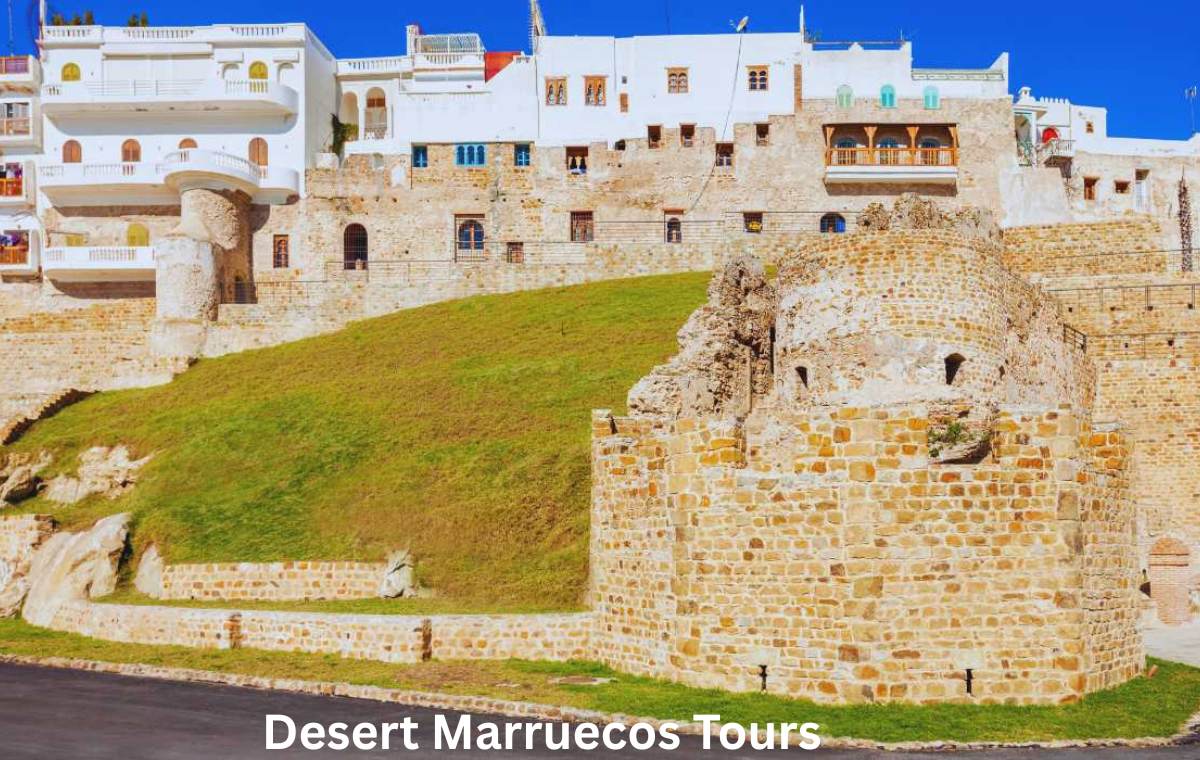
Who Is This 15 Day Morocco Tour Best For?
First-Time Visitors to Morocco
If this is your first trip to Morocco, this 15 day Morocco itinerary is ideal. You’ll experience the country’s greatest highlights without feeling rushed. The route covers all major regions, giving you a complete introduction to Moroccan culture, landscapes, and hospitality.
Couples Seeking Romance and Adventure
From sunset camel rides in the Sahara to evenings in traditional riads with rooftop terraces, this Morocco 15 day tour offers countless romantic moments. Private transportation ensures intimacy and flexibility.
Families with Children
The pace is manageable for families. Long drives are broken with frequent stops. Kids love the camel trek, exploring medinas, feeding monkeys in Azrou cedar forest, and sleeping under Sahara stars. Accommodation includes family rooms on request.
Small Groups (4–8 People)
Traveling with friends? This 15 days Morocco tour works perfectly for small groups. Private 4×4 or minibus ensures comfort. Costs per person decrease with larger groups.
Travelers Arriving by Ferry in Tangier
Unique advantage: this tour starts in Tangier, ideal if you’re taking the ferry from Tarifa, Algeciras, or Gibraltar (Spain). We provide port pickup and can adjust Day 1 timing based on your ferry arrival.
Sahara and Culture Enthusiasts
If the Sahara Desert is your dream, this tour delivers two full days in Merzouga with authentic experiences: nomadic families, Gnawa music, desert excursions, and stargazing. Combined with Fes medina, Marrakech souks, and Chefchaouen’s blue streets, culture lovers will be thrilled.
Photographers
Every day offers new landscapes: Mediterranean coast, blue city, imperial architecture, mountain passes, palm oases, red kasbahs, golden dunes. Sunrise and sunset moments are built into the itinerary.
Related: 3 Days Marrakech Desert | 4 Days Marrakech Desert | 5 Days Marrakech Desert
Is a 15 Day Morocco Tour Right for You?
Choose 15 Days If You Want:
- Northern Morocco: Tangier, Chefchaouen, Rif Mountains
- Sahara Desert: Merzouga, Erg Chebbi, camel trek, overnight camp
- Imperial Cities: Fes, Marrakech, Rabat, Casablanca
- Atlantic Coast: Essaouira, El Jadida
- Atlas Mountains: High Atlas (Tizi n’Tichka), Middle Atlas (Ifrane, Azrou)
- Historic Kasbahs: Aït Ben Haddou (UNESCO), Telouet, Skoura
- Dramatic Gorges: Todra (300m cliffs), Dades Valley
- Cultural Immersion: Medinas, souks, riads, local guides, Gnawa music
This Morocco itinerary 15 days is for travelers who want the complete picture.
Consider a Shorter Morocco Tour If:
- You only have 5–7 days available
- You prefer focusing on one region (e.g., Marrakech + Sahara only)
- You dislike multiple hotel changes
- You want a slower, more relaxed pace with fewer destinations
Shorter alternatives:
- 3 Days from Marrakech to Fes through the desert
- 4 Days Morocco Desert Tour from Fes to Marrakech
- 5 Days Morocco Desert Trip from Fes to Marrakech
- 6 Days Marrakech to the Desert
15 Day Morocco Itinerary: Day-by-Day
Each day follows consistent structure: route, highlights, activities, driving time, meals, accommodation, what makes it special.
Day 1, Tangier → Asilah → Larache → Rabat
Route: Tangier → Asilah (45 km) → Larache (35 km) → Rabat (170 km)
Total Distance: ~250 km
Driving Time: 3.5–4 hours (with stops)
Meals: Dinner included
Accommodation: Hotel in Rabat
Highlights:
- Morning pickup at Tangier port or airport
- Drive along Mediterranean coast to Asilah
- Explore Asilah medina and Portuguese ramparts
- Continue to Larache (optional: Roman ruins of Volubilis nearby)
- Afternoon arrival in Rabat
- Visit Hassan Tower and Mausoleum of Mohammed V (time permitting)
- Evening walk in Kasbah of the Udayas
Day 2, Rabat → Casablanca → El Jadida
Route: Rabat → Casablanca (90 km) → El Jadida (110 km)
Total Distance: ~200 km
Driving Time: 3 hours (with stops)
Meals: Breakfast and dinner included
Accommodation: Hotel in El Jadida
Highlights:
- Morning visit to Kasbah of the Udayas (if not done Day 1)
- Drive to Casablanca (1 hour)
- Tour Hassan II Mosque (exterior and interior if time allows)
- Mohammed V Square and Art Deco architecture
- Continue to El Jadida (1.5 hours)
- Explore Portuguese fortress and cistern
- Evening stroll along Atlantic coast
What Makes Day 2 Special:
Hassan II Mosque is one of the most impressive mosques in the Islamic world. El Jadida’s Portuguese heritage offers a different colonial flavor than French/Spanish influence elsewhere.
Day 3, El Jadida → Safi → Essaouira
Route: El Jadida → Safi (60 km) → Essaouira (120 km)
Total Distance: ~180 km
Driving Time: 2.5–3 hours (with stops)
Meals: Breakfast included
Accommodation: Riad/Hotel in Essaouira
Highlights:
- Morning departure from El Jadida
- Stop in Safi: visit pottery cooperatives, watch artisans at work
- Continue along Atlantic coast to Essaouira (2 hours)
- Afternoon exploration of UNESCO-listed medina
- Walk ramparts, fishing port, artisan quarters
- Fresh seafood dinner at port
What Makes Day 3 Special:
Essaouira’s laid-back vibe contrasts with bustling Marrakech. The fishing port, Gnawa music heritage, and coastal setting make it a favorite among artists and musicians.
Day 4, Essaouira → Marrakech
Route: Essaouira → Marrakech (180 km)
Total Distance: ~180 km
Driving Time: 2.5–3 hours (with stops)
Meals: Breakfast included
Accommodation: Riad/Hotel in Marrakech
Highlights:
- Morning departure through argan forest landscape
- Optional stop at argan oil cooperative (women-run cooperatives)
- Arrival in Marrakech by early afternoon
- Check into riad/hotel
- Evening exploration of Jemaa el-Fnaa square
- Street food, storytellers, musicians, snake charmers
What Makes Day 4 Special:
First glimpse of Marrakech’s energy. Jemaa el-Fnaa at sunset is one of the world’s great public squares, a UNESCO Intangible Cultural Heritage site.
Day 5, Full Day Marrakech Guided Tour
Route: Marrakech city tour (no driving)
Total Distance: Walking tour
Driving Time: N/A
Meals: Breakfast included
Accommodation: Riad/Hotel in Marrakech
Highlights:
- Morning meeting with licensed local guide
- Bahia Palace (19th-century palace with intricate tilework)
- Saadian Tombs (16th-century royal tombs)
- Koutoubia Mosque (exterior, 12th-century minaret)
- Jardin Majorelle (optional, Yves Saint Laurent garden)
- Lunch in traditional restaurant near square
- Afternoon exploration of souks (leather, spices, textiles, lamps)
- Free evening for personal exploration
What Makes Day 5 Special:
Expert local guide brings Marrakech’s history to life. The contrast between palace grandeur and souk chaos captures Morocco’s essence.
Day 6, Marrakech → Telouet → Aït Ben Haddou → Ouarzazate
Route: Marrakech → Tizi n’Tichka Pass → Telouet → Aït Ben Haddou → Ouarzazate
Total Distance: ~230 km
Driving Time: 4–4.5 hours (with stops)
Meals: Breakfast and dinner included
Accommodation: Riad/Hotel in Ouarzazate
Highlights:
- Morning departure from Marrakech
- Cross High Atlas Mountains via Tizi n’Tichka Pass (2,260m)
- Photo stops at mountain viewpoints and Berber villages
- Visit Telouet Kasbah (former palace of Glaoui family)
- Descend through Ounila Valley to Aït Ben Haddou
- Guided tour of UNESCO-listed ksar (fortified village)
- Continue to Ouarzazate (“Hollywood of Morocco”)
- Optional: Atlas Film Studios visit
What Makes Day 6 Special:
The Tizi n’Tichka crossing is one of Morocco’s most scenic drives. Aït Ben Haddou is the country’s most iconic kasbah, featured in numerous films.
Day 7, Ouarzazate → Fint Oasis → Skoura → Ouarzazate
Route: Ouarzazate → Fint Oasis → Skoura → Ouarzazate
Total Distance: ~100 km (loop)
Driving Time: 2–3 hours (with stops)
Meals: Breakfast and dinner included
Accommodation: Riad/Hotel in Ouarzazate
Highlights:
- Morning departure to Fint Oasis (30 km)
- Picnic lunch among palm trees and natural water sources
- Explore traditional irrigation systems (khettara)
- Afternoon visit to Skoura palm grove
- Tour Kasbah Amridil (featured on 50-dirham note)
- Return to Ouarzazate for evening
- Optional: Kasbah Taourirt guided tour
What Makes Day 7 Special:
Fint Oasis offers a peaceful contrast to previous busy days. Skoura’s hundreds of kasbahs showcase traditional Berber architecture.
Day 8, Ouarzazate → Valley of Roses → Dades
Route: Ouarzazate → Skoura → Valley of Roses → Boumalne Dades
Total Distance: ~150 km
Driving Time: 2.5–3 hours (with stops)
Meals: Breakfast and dinner included
Accommodation: Hotel/Guesthouse in Dades Valley
Highlights:
- Morning departure through Skoura palm grove
- Continue along “Route of a Thousand Kasbahs”
- Stop in Valley of Roses (Kalaat M’gouna)
- Learn about rose water production (best in April–May)
- Afternoon arrival in Boumalne Dades
- Evening walk in Dades Gorge
- Dinner with local family (authentic Berber hospitality)
What Makes Day 8 Special:
The kasbah-dotted landscape feels like stepping into another century. Dades Valley’s “Monkey Fingers” rock formations are iconic.
Day 9, Dades → Todra Gorge → Merzouga
Route: Dades → Todra Gorge → Tinjdad → Erfoud → Merzouga
Total Distance: ~270 km
Driving Time: 4–4.5 hours (with stops)
Meals: Breakfast and dinner included
Accommodation: Hotel in Merzouga (before desert camp)
Highlights:
- Morning exploration of Dades Gorge
- Drive to Todra Gorge (1 hour)
- Walk through 300m-high limestone canyon
- Continue through palm oases to Tinjdad
- Pass through Erfoud (fossil capital)
- Optional: fossil/marble workshop visit
- Afternoon arrival in Merzouga
- Evening preparation for desert camp
What Makes Day 9 Special:
Todra Gorge is Morocco’s most dramatic canyon. The transition from mountains to desert landscape is striking. First glimpse of Erg Chebbi dunes is unforgettable.
Day 10, Merzouga & Erg Chebbi Desert Experience
Route: Merzouga → Erg Chebbi dunes → Nomadic areas → Khamlia → Merzouga
Total Distance: ~80 km (4×4 excursion + camel trek)
Driving Time: Flexible (desert day)
Meals: Breakfast, dinner (desert camp) included
Accommodation: Sahara desert camp (Berber tent)
Highlights:
- Early morning sunrise view over dunes (optional camel or 4×4)
- Breakfast at hotel
- Morning 4×4 desert excursion to hidden oases
- Visit nomadic family for Berber tea ceremony
- Learn about desert life and traditions
- Afternoon rest at hotel or optional sandboarding
- Late afternoon: camel trek to desert camp
- Sunset over Erg Chebbi dunes
- Traditional Berber dinner around campfire
- Gnawa music performance
- Stargazing in complete darkness
- Overnight in private tent
What Makes Day 10 Special:
This is the Sahara experience you’ve dreamed of. Sunset camel ride, traditional music, sleeping under stars, pure magic.
Day 11, Merzouga → Rissani → Ziz Valley → Midelt
Route: Merzouga → Rissani → Erfoud → Ziz Valley → Midelt
Total Distance: ~250 km
Driving Time: 4 hours (with stops)
Meals: Breakfast and dinner included
Accommodation: Hotel in Midelt
Highlights:
- Early morning camel ride to watch sunrise over dunes
- Return to hotel for breakfast and shower
- Depart to Rissani (former imperial city)
- Explore Rissani souk (traditional market)
- Continue through Ziz Valley (vast palm oasis)
- Panoramic viewpoint over Ziz Valley
- Pass through Erfoud (fossil town)
- Afternoon arrival in Midelt (“apple town”)
- Evening relaxation in cool mountain climate
What Makes Day 11 Special:
Sunrise over Sahara is a once-in-a-lifetime moment. Ziz Valley’s endless palm groves contrast sharply with yesterday’s dunes.
Day 12, Midelt → Azrou → Ifrane → Fes
Route: Midelt → Azrou → Ifrane → Fes
Total Distance: ~200 km
Driving Time: 3.5–4 hours (with stops)
Meals: Breakfast included
Accommodation: Riad/Hotel in Fes
Highlights:
- Morning departure through Middle Atlas
- Stop in Azrou cedar forest
- See Barbary macaques (wild monkeys) in natural habitat
- Continue to Ifrane (“Switzerland of Morocco”)
- Photo stop at alpine architecture, lakes
- Afternoon arrival in Fes
- Evening exploration of medina periphery
What Makes Day 12 Special:
The cedar forest and wild monkeys are a highlight for families. Ifrane’s alpine feel is surprising after desert landscapes. Fes arrival builds anticipation for tomorrow’s guided tour.
Day 13, Full-Day Fes Guided Tour
Route: Fes el-Bali (medina) walking tour
Total Distance: Walking tour
Driving Time: N/A
Meals: Breakfast included
Accommodation: Riad/Hotel in Fes
Highlights:
- Morning meeting with licensed local guide
- Enter Fes el-Bali through Bab Boujloud (Blue Gate)
- Visit Bou Inania Madrasa (14th-century Islamic school)
- Explore Al-Qarawiyyin University (oldest in world, exterior)
- Walk through Nejjarine (carpenter’s quarter)
- Visit Chouara Tanneries (traditional leather dyeing)
- Explore Mellah (Jewish quarter)
- Lunch in traditional Fassi restaurant
- Afternoon: Royal Palace (exterior), panoramic viewpoint
- Free time for personal shopping in souks
What Makes Day 13 Special:
Fes medina is the world’s largest car-free urban area. The tanneries, madrasas, and labyrinthine alleys feel medieval. Expert guide unlocks hidden stories.
Day 14, Fes → Chefchaouen
Route: Fes → Ouazzane → Chefchaouen
Total Distance: ~200 km
Driving Time: 3.5–4 hours (with stops)
Meals: Breakfast and dinner included
Accommodation: Riad/Hotel in Chefchaouen
Highlights:
- Morning departure from Fes
- Drive through Rif Mountains
- Scenic mountain roads with valley views
- Afternoon arrival in Chefchaouen
- Check into blue riad
- Guided walk through blue medina
- Visit Kasbah (15th-century fortress)
- Plaza Uta el-Hammam (main square)
- Sunset at Spanish Mosque viewpoint
What Makes Day 14 Special:
Chefchaouen’s blue-painted streets are iconic. The Rif Mountain setting adds drama. Spanish Mosque viewpoint offers panoramic sunset views over the entire blue city.
Related: 8 Days from Marrakech to Chefchaouen through the Desert | 7 Days from Tangier to the Imperial Cities of Morocco
Day 15, Chefchaouen → Tangier
Route: Chefchaouen → Tetouan → Tangier
Total Distance: ~100 km
Driving Time: 1.5–2 hours (with stops)
Meals: Breakfast included
Accommodation: Tour ends (drop-off at Tangier port or airport)
Highlights:
- Morning leisure time in Chefchaouen
- Optional last-minute shopping in blue medina
- Depart to Tangier via Tetouan (optional stop)
- Afternoon arrival in Tangier
- Drop-off at port (for ferry) or airport (for flight)
- End of tour services
What Makes Day 15 Special:
A relaxed final day allows reflection on 15 unforgettable days. Tangier’s Mediterranean setting provides perfect closure.
Sahara Desert Experience in Merzouga
The Sahara is this tour’s crown jewel. Here’s what your Merzouga desert experience includes:
Camel Trek Across Erg Chebbi
- Professional camel handlers
- 1-hour sunset trek over golden dunes
- Suitable for all ages and fitness levels
- Alternative: 4×4 transfer if you prefer not to ride
Sahara Sunset
- Panoramic views from dune tops
- Photography opportunities
- Tea service at camp
Overnight Desert Camp
- Traditional Berber tents with beds, blankets, pillows
- Private or shared bathroom options (standard vs. luxury)
- Solar lighting, charging stations
Traditional Dinner in the Desert
- Multi-course Berber meal (tagine, couscous, fruit)
- Vegetarian options available
- Served around campfire
Gnawa Music
- Live performance by local musicians
- Spiritual music with African roots
- Interactive drumming
Sahara Stargazing
- Complete darkness (no light pollution)
- Milky Way visibility (clear nights)
- Guide points out constellations
Sunrise Over Erg Chebbi
- Early morning wake-up call
- Climb dune for sunrise views
- Return to camp for breakfast
Visit a Nomadic Family
- Tea ceremony in traditional tent
- Learn about desert life, livestock, water sources
- Cultural exchange, not a “show”
Visit Khamlia Village
- Gnawa music village
- Meet local musicians
- Understand music’s spiritual significance
4×4 Desert Excursion
- Explore hidden oases
- Visit fossil sites
- Access remote dune areas
Sandboarding
- Optional activity
- Boards provided
- Fun for all ages
What Is the Sahara Camp Really Like?
- Tents are spacious with proper beds
- Blankets provided (desert nights can be cold)
- Shared or private bathrooms depending on camp level
- No luxury hotel expectations, it’s authentic desert camping
What Should You Wear in the Sahara?
- Light, breathable clothing for daytime
- Warm layer for evening/night (temperature drops significantly)
- Closed shoes for camel trek
- Scarf for sun/wind protection
- Sunglasses, sunscreen, hat
Is the Sahara Comfortable in Summer/Winter?
- Spring/Autumn (March–May, September–November): Ideal temperatures (20–30°C daytime, 10–15°C night)
- Summer (June–August): Very hot daytime (40°C+), warm nights
- Winter (December–February): Cool daytime (15–20°C), cold nights (can drop to 5°C)
What You Will See in 15 Days in Morocco
This 15 days Morocco itinerary covers diverse regions:
Imperial Cities
- Rabat: Hassan Tower, Mausoleum, Kasbah of Udayas
- Fes: Fes el-Bali, Al-Qarawiyyin, tanneries, Bou Inania
- Marrakech: Jemaa el-Fnaa, Bahia Palace, Saadian Tombs, Koutoubia
- Casablanca: Hassan II Mosque, Mohammed V Square
Northern Morocco
- Tangier: Mediterranean port, medina, Hercules Caves
- Chefchaouen: Blue medina, kasbah, Rif Mountains
- Tetouan: Andalusian medina, Spanish heritage
- Asilah: Coastal town, Portuguese ramparts
Atlantic Coast
- Essaouira: UNESCO medina, fishing port, ramparts
- El Jadida: Portuguese fortress, cistern
- Safi: Pottery capital
- Casablanca: Modern port city
Atlas Mountains
- High Atlas: Tizi n’Tichka Pass (2,260m), Berber villages
- Middle Atlas: Cedar forest, Barbary macaques, Ifrane lakes
Southern Morocco
- Ouarzazate: Kasbah Taourirt, film studios
- Aït Ben Haddou: UNESCO fortified village
- Dades Valley: “Monkey Fingers,” gorges
- Todra Gorge: 300m limestone cliffs
- Ziz Valley: Vast palm oasis
- Skoura: Palm grove, hundreds of kasbahs
Sahara Desert
- Merzouga: Gateway to Erg Chebbi
- Erg Chebbi: Massive golden dunes (up to 150m)
- Khamlia: Gnawa music village
- Nomadic areas: Traditional desert families
Kasbahs & Ksours
- Aït Ben Haddou: Most famous UNESCO site
- Telouet: Glaoui family palace
- Kasbah Taourirt: Ouarzazate landmark
- Kasbah Amridil: Skoura’s iconic kasbah
Medinas (Old Cities)
- Fes el-Bali: World’s largest car-free urban area
- Marrakech medina: Bustling souks, Jemaa el-Fnaa
- Chefchaouen: Blue-painted streets
- Essaouira: Coastal UNESCO medina
- Tangier: Mediterranean gateway
Valleys & Gorges
- Dades: Winding roads, rock formations
- Todra: Dramatic canyon, river
- Ziz: Endless palm groves
- Ounila: Route to Aït Ben Haddou
- Draa: Longest palm oasis in Morocco
Where Do You Stay During the 15 Day Morocco Tour?
Hotels in Morocco
- Hand-picked 3–4 star properties (or equivalent)
- Central locations in medinas or city centers
- Private bathrooms, air conditioning/heating
- Breakfast included daily
Traditional Moroccan Riads
- Authentic Moroccan houses with interior courtyards
- Rooftop terraces with views
- Personalized service, home-cooked meals
- Immersive cultural experience
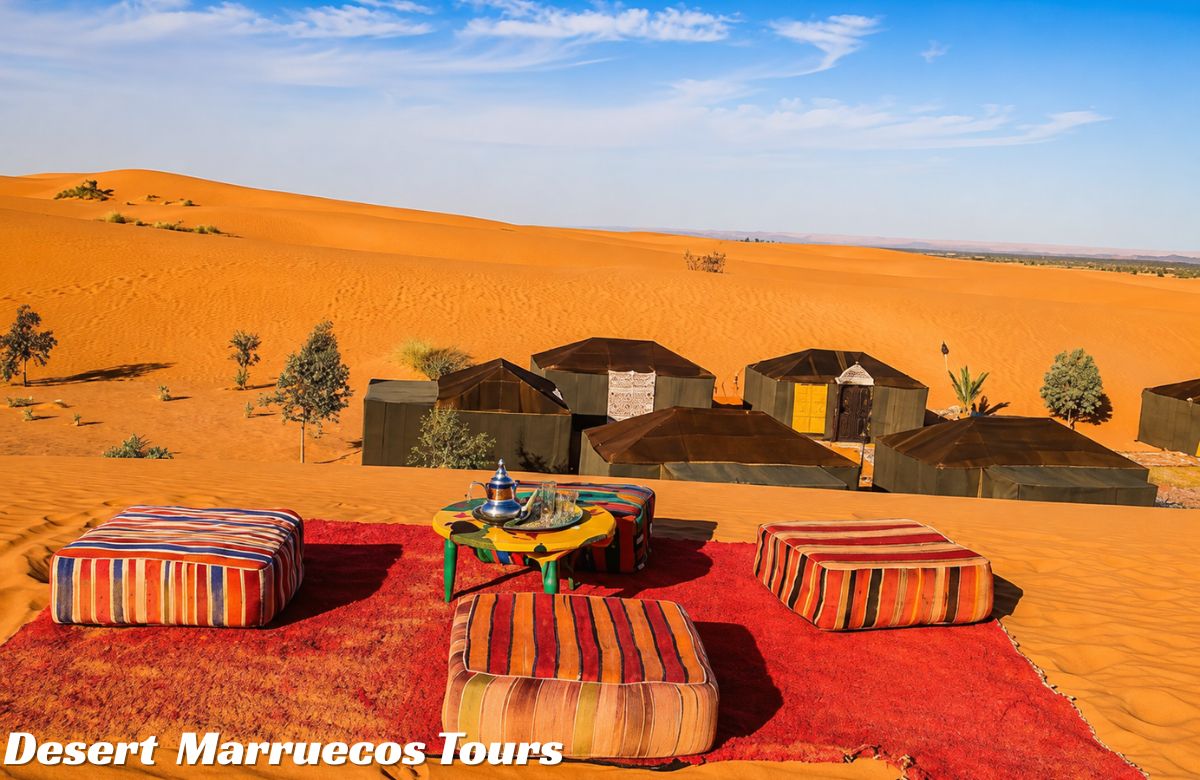
Sahara Desert Camp
- Traditional Berber tents with beds, blankets, pillows
- Shared or private bathroom options
- Solar lighting, charging stations
- Dinner, music, sunrise included
What Type of Room Do We Get?
- Double rooms: One large bed for couples
- Twin rooms: Two single beds (ideal for friends/family)
- Family rooms: Available on request (extra bed or connecting rooms)
- Single supplement: Available for solo travelers (additional cost)
Standard vs Luxury Accommodation
- Standard: Comfortable 3-star hotels/riads, clean, central
- Luxury: 4–5 star properties, premium riads, boutique hotels, enhanced amenities
Can I Upgrade My Accommodation?
Yes. We can customize your tour with:
- Luxury riads in Fes, Marrakech, Chefchaouen
- Premium Sahara desert camps (private bathrooms, enhanced amenities)
- 5-star hotels in Casablanca, Rabat
- Boutique properties with unique character
Contact us for personalized pricing based on your preferences.
Transportation on the 15 Day Morocco Tour
What Vehicle Will We Travel In?
- 4×4 vehicles: Toyota Land Cruiser Prado, Dacia Duster (for small groups 2–4 people)
- Minibus/Mercedes Sprinter: For larger groups (5–8+ people)
- All vehicles are air-conditioned and well-maintained
4×4 vs Minivan
- 4×4: More comfortable on mountain roads, better for small groups, more luggage space per person
- Minibus: More economical for larger groups, spacious interior
Air Conditioning
Essential for summer travel (June–August). All vehicles have functioning AC.
Luggage Space
- 1 large suitcase + 1 small bag per person recommended
- Roof rack available for extra luggage if needed
- Avoid oversized suitcases (medina streets are narrow)
How Many People Can Travel Together?
- 4×4: Up to 4 passengers comfortably
- Minibus: Up to 8–12 passengers depending on vehicle
Who Drives the Vehicle?
Professional, licensed driver with extensive Morocco experience. Driver speaks English/French/Spanish (specify when booking).
Is the Driver Also a Guide?
- Driver provides commentary, route information, and local insights
- Licensed local guides provided in Fes, Marrakech, Rabat (included in tour)
- Driver does not replace official city guides for historical site explanations
How Often Do We Stop?
- Frequent photo stops at scenic viewpoints
- Restroom breaks every 2–3 hours
- Meal stops at local restaurants
- Flexible pacing based on group preferences
What Are the Longest Driving Days?
- Day 6: Marrakech → Ouarzazate (4–4.5 hours)
- Day 9: Dades → Merzouga (4–4.5 hours)
- Day 11: Merzouga → Midelt (4 hours)
These are balanced with shorter days and overnight stops in strategic locations.
How Much Does a 15 Day Morocco Tour Cost?
What Determines the Price?
- Number of travelers: Private tours cost less per person with larger groups
- Season: High season (March–May, September–November) vs. low season (summer, winter)
- Accommodation level: Standard (3-star) vs. luxury (4–5 star, premium riads)
- Vehicle type: 4×4 vs. minibus
- Desert camp: Standard vs. luxury camp with private bathrooms
- Guide requirements: Licensed local guides in cities included
- Activities: Optional extras (quad biking, hot air balloon, hammam)
- Start/end location: Tangier, Casablanca, Marrakech, Fes
Price Range (Indicative Only)
- Standard package: $1,800–$2,800 per person (based on 2–4 travelers)
- Luxury package: $3,000–$4,500+ per person (premium riads, luxury desert camp)
Note: These are indicative ranges. Actual pricing depends on your specific requirements, travel dates, and group size. Contact us for a personalized quote.
Couple Pricing
Couples traveling together benefit from shared room costs. Private 4×4 ensures intimacy.
Family Pricing
Children under 12 often receive discounted rates. Family rooms available on request.
Small Group Pricing
Groups of 4–8 people reduce per-person costs significantly.
Standard vs Luxury
- Standard: Comfortable 3-star hotels, standard desert camp, 4×4/minibus
- Luxury: 4–5 star boutique riads, luxury desert camp (private bathrooms), premium vehicle, enhanced meals
What’s Included in the Quote?
- Transportation (4×4 or minibus with driver)
- Accommodation (14 nights: hotels, riads, desert camp)
- Meals (daily breakfast, dinners at desert camp and selected nights)
- Licensed local guides in Fes, Marrakech, Rabat
- Camel trek in Merzouga
- Desert camp overnight
- Airport/port transfers in Tangier
- Fuel, tolls, parking
How to Request a Personalized Price
Email us with:
- Travel dates
- Number of travelers (adults/children)
- Accommodation preference (standard/luxury)
- Vehicle preference (4×4/minibus)
- Any special requirements (dietary, accessibility, activities)
What’s Included in the 15 Day Morocco Tour?
Transportation
- Air-conditioned 4×4 or minibus throughout the tour
- Professional driver-guide
- Fuel, tolls, parking fees
Driver
- Licensed, experienced driver
- English/French/Spanish speaking (specify when booking)
- Local knowledge, route expertise
Accommodation
- 14 nights total
- Hotels and traditional riads (13 nights)
- Sahara desert camp (1 night)
- Private bathrooms in hotels/riads
- Shared or private bathrooms in desert camp (depending on level)
Breakfast
- Daily breakfast at hotels/riads
- Breakfast at desert camp (morning of Day 11)
Dinner
- Dinners at desert camp (Day 10)
- Selected nights at hotels/riads (as per itinerary)
- Traditional Moroccan cuisine
Desert Camp
- 1 night in Erg Chebbi desert camp
- Traditional Berber tent with bed, blankets, pillows
- Dinner, Gnawa music, stargazing
- Sunrise camel trek (morning of Day 11)
Camel Trek
- Sunset camel ride over Erg Chebbi dunes (Day 10)
- Professional camel handlers
- Suitable for all ages
Local Guides
- Licensed guides in Fes, Marrakech, Rabat
- Historical site explanations
- Medina navigation assistance
Airport/Port Transfers
- Pickup at Tangier port or airport (Day 1)
- Drop-off at Tangier port or airport (Day 15)
- Assistance with luggage
Fuel, Parking and Tolls
- All transportation costs included
- No hidden fees for fuel or tolls
What’s Not Included?
International Flights
- Flights to/from Morocco (Casablanca, Tangier, Marrakech, Fes)
- Ferry tickets (if arriving from Spain)
Travel Insurance
- Medical, trip cancellation, luggage insurance
- Highly recommended for all travelers
Lunches
- Most lunches are not included
- Driver can recommend local restaurants
- Budget approximately $10–$20 per person per lunch
Drinks
- Bottled water, soft drinks, alcoholic beverages
- Available at hotels, restaurants, cafes
Tips
- Driver-guide: $10–$15 per person per day (customary)
- Local guides: $5–$10 per person per day
- Desert camp staff: $5–$10 per person
- Restaurant staff: 10% if service not included
Personal Expenses
- Souvenirs, shopping, personal items
- Phone calls, internet, SIM cards
Optional Activities
- Quad biking in Sahara
- Hot air balloon over Marrakech
- Hammam spa experiences
- Additional guided tours outside itinerary
Entrance Fees Not Listed
- Some museums, gardens, palaces may have small entrance fees
- Major sites (Bahia Palace, Saadian Tombs, etc.) typically included
Can You Customize the 15 Day Morocco Itinerary?
Yes. This tour is fully customizable to match your preferences.
Change the Starting City
- Start from Casablanca (airport) instead of Tangier
- Start from Marrakech (airport)
- Start from Fes (airport)
Change the Ending City
- End in Marrakech (fly out from Menara Airport)
- End in Casablanca (fly out from Mohammed V Airport)
- End in Fes (fly out from Fes-Saïss Airport)
Add More Time in Marrakech
- Extend Day 5 to 2 full days
- Add extra night for relaxation or additional activities
Add Another Sahara Night
- Extend Merzouga stay to 2 nights in desert camp
- More time for desert excursions, relaxation
Upgrade the Desert Camp
- Standard camp → Luxury camp with private bathrooms
- Enhanced amenities, premium location
Add More Time in Fes
- Extend Day 13 to 2 full days
- Explore medina more deeply, add tannery visit
Add Beach Time
- Add 1–2 nights in Essaouira for coastal relaxation
- Add Agadir extension (south of Essaouira)
Upgrade Hotels/Riads
- Standard 3-star → Luxury 4–5 star properties
- Boutique riads with unique character
Customize for Families
- Family rooms, connecting rooms
- Child-friendly activities (monkey feeding, camel rides, sandboarding)
- Flexible pacing with rest days
Dietary Requirements
- Vegetarian, vegan, halal, gluten-free options
- Inform us when booking
Contact us to discuss your customization needs. We create personalized itineraries daily.
Related: 12 Days Tour to Morocco from Fes to Marrakech | 10 Day Casablanca to Marrakech Trip | 12 Day Casablanca to Marrakech Trip
Standard vs Luxury 15 Day Morocco Tour
| FeatureStandardLuxury | ||
| Accommodation | 3-star hotels/riads, clean, central | 4–5 star boutique riads, premium hotels |
| Riads | Traditional, comfortable, good locations | Historic palaces, rooftop pools, spa services |
| Desert Camp | Standard Berber tents, shared bathrooms | Luxury tents, private bathrooms, enhanced amenities |
| Vehicle | 4×4 (Dacia Duster) or standard minibus | Premium 4×4 (Toyota Land Cruiser Prado) or Mercedes Sprinter |
| Meals | Breakfast + selected dinners | Breakfast + more dinners, premium restaurants |
| Private Rooms | Standard double/twin rooms | Upgraded rooms with views, larger spaces |
| Guides | Licensed local guides in major cities | Senior guides, specialized expertise |
| Pacing | Standard itinerary | More flexible, additional rest time |
| Price Range | $1,800–$2,800 per person | $3,000–$4,500+ per person |
Note: Prices are indicative. Contact us for exact pricing based on your dates and preferences.
Is 15 Days Enough to See Morocco?
Yes. Fifteen days is enough to experience Morocco’s major regions without constant rushing.
5 Days in Morocco
- Marrakech + 2–3 day Sahara trip
- Limited to one region
- Good for short breaks
7 Days in Morocco
- Marrakech + Fes + Sahara (rushed)
- OR Marrakech + Sahara + Essaouira
- Better but still limited
10 Days in Morocco
- Marrakech, Fes, Sahara, Chefchaouen
- Covers major highlights
- Moderate pace
12 Days in Morocco
- Adds Rabat, Casablanca, or extended Sahara
- More comprehensive
- Comfortable pace
15 Days in Morocco
- North: Tangier, Chefchaouen, Rif Mountains
- Imperial cities: Fes, Marrakech, Rabat, Casablanca
- Atlantic coast: Essaouira, El Jadida
- Atlas Mountains: High Atlas, Middle Atlas
- Sahara: Merzouga, Erg Chebbi (2 full days)
- Kasbahs: Aït Ben Haddou, Telouet, Skoura
- Gorges: Todra, Dades
- Oases: Ziz, Draa, Skoura
This is the complete Morocco journey.
3 Weeks in Morocco
- Slower pace, deeper exploration
- Add Agadir, Taroudant, Zagora, Erg Chigaga
- More time in each location
- Ideal for extended vacations or repeat visitors
Best Time for a 15 Day Morocco Tour
March to May, Spring (Ideal)
- Temperatures: 20–28°C (68–82°F) in cities, 15–25°C (59–77°F) in mountains
- Sahara: Warm days, cool nights
- Landscapes: Green, blooming wildflowers
- Crowds: Moderate (avoid Easter week if possible)
- Best for: All regions, photography, hiking
June to August, Summer (Hot)
- Temperatures: 30–40°C (86–104°F) in Marrakech, Sahara can exceed 45°C (113°F)
- Coast: Essaouira, Tangier cooler (25–30°C / 77–86°F)
- Mountains: Ifrane, Azrou pleasant (20–25°C / 68–77°F)
- Crowds: High (European summer holidays)
- Best for: Coastal areas, mountains, early morning/evening activities
September to November, Autumn (Ideal)
- Temperatures: 22–30°C (72–86°F) in cities, 18–25°C (64–77°F) in mountains
- Sahara: Warm days, pleasant nights
- Landscapes: Golden, harvest season (dates, olives)
- Crowds: Moderate (September busy, October–November quieter)
- Best for: All regions, Sahara, hiking, photography
December to February, Winter (Cool)
- Temperatures: 12–20°C (54–68°F) in cities, 5–15°C (41–59°F) in mountains
- Sahara: Cool days (15–20°C / 59–68°F), cold nights (can drop to 5°C / 41°F)
- Mountains: Ifrane can have snow
- Crowds: Low (except Christmas/New Year)
- Best for: Cities, Sahara (daytime), budget travelers
Best Time for Sahara
- Ideal: March–May, September–November
- Avoid: July–August (extremely hot), December–January (very cold nights)
Best Time for Marrakech
- Ideal: March–May, September–November
- Summer: Very hot (40°C+), best to visit gardens, pools
Best Time for Atlas Mountains
- Ideal: April–June, September–October
- Winter: Snow possible in High Atlas passes (Tizi n’Tichka usually open)
Best Time for Northern Morocco
- Ideal: April–June, September–October
- Summer: Pleasant (25–30°C), coastal breeze
Best Time for Atlantic Coast
- Ideal: May–September (beach weather)
- Winter: Mild but rainy
What to Pack for 15 Days in Morocco
Clothing
- Light, breathable fabrics: Cotton, linen for daytime
- Layers: Mornings/evenings can be cool, especially in desert and mountains
- Modest attire: Cover shoulders and knees in medinas and religious sites
- Warm fleece/jacket: For Sahara nights (can drop to 5–10°C in winter)
- Comfortable walking shoes: For medina exploration, gorges hiking
- Sandals: For riads, casual evenings
Sahara Essentials
- Scarf or shemagh: For sun, wind, sand protection
- Sunglasses: Polarized recommended
- Sunscreen: SPF 30+ (desert sun is intense)
- Hat or cap: Wide-brimmed for sun protection
- Closed shoes: For camel trek (sand gets hot)
- Warm layer: Desert nights are cold even in summer
Walking Shoes
- Sturdy sneakers or hiking shoes: For medinas, gorges, kasbahs
- Avoid: High heels, flip-flops for walking tours
Sun Protection
- Sunscreen: SPF 30+, reapply frequently
- Sunglasses: UV protection
- Hat: Wide-brimmed or cap
- Lip balm: With SPF
Electronics
- Power adapter: Type C/E (European standard, 220V)
- Power bank: For long days out
- Camera: With extra memory cards, batteries
- Phone: With offline maps (Google Maps, Maps.me)
Documents
- Passport: Valid for at least 6 months
- Visa: Not required for many nationalities (check your country)
- Travel insurance: Print copy of policy
- Flight/ferry tickets: Print or digital copies
- Hotel confirmations: For border control if asked
Medicines
- Personal prescriptions: Bring sufficient supply
- Pain relievers: Ibuprofen, paracetamol
- Stomach medicine: For dietary changes
- Motion sickness tablets: For mountain roads
- Hand sanitizer: For medinas, restaurants
Daypack
- Small backpack (15–25L): For daily essentials
- Water bottle: Reusable (1–2L capacity)
- Snacks: Nuts, energy bars for long drives
- Wet wipes: For refreshment
Luggage
- Suitcase or duffel: Medium size (easier for riads with stairs)
- Avoid: Oversized suitcases (medina streets narrow, riads often have stairs)
- Day bag: For daily excursions
Packing tip: Pack light. You’ll be changing hotels frequently, and riads often have stairs. Laundry services available in most cities.
Moroccan Culture and Experiences Along the Route
Moroccan Medinas
- What they are: Historic old cities, often UNESCO-listed
- Highlights: Fes el-Bali (world’s largest car-free area), Marrakech medina, Chefchaouen blue streets, Essaouira coastal medina
- Experience: Labyrinthine alleys, souks, artisan workshops, historic monuments
Amazigh (Berber) Culture
- Who they are: Indigenous people of North Africa, predating Arab arrival
- Where to encounter: Atlas Mountains villages, Sahara nomadic families, Aït Ben Haddou
- Traditions: Music, jewelry, carpets, henna, tea ceremonies
Nomadic Desert Life
- Where: Merzouga area, Khamlia village
- Experience: Visit nomadic family tent, learn about livestock (goats, camels), water sources, seasonal migration
- Respect: Ask permission before photographing, bring small gift (sugar, tea)
Gnawa Music
- What it is: Spiritual music with African roots, featuring metal castanets (krakebs), drums, vocals
- Where to hear: Khamlia village (near Merzouga), Essaouira (annual Gnawa Festival), desert camps
- Significance: Healing ceremonies, Sufi traditions
Moroccan Tea Culture
- Ritual: Pouring tea from height to create foam, three servings (first bitter, second sweet, third gentle as death)
- Symbolism: Hospitality, friendship, welcome
- Where experienced: Riads, desert camps, shops, homes
Traditional Riads
- What they are: Moroccan houses with interior courtyard, often with fountain or garden
- Architecture: Thick walls (temperature regulation), rooftop terraces, zellij tilework, carved cedar
- Experience: Personalized service, home-cooked meals, cultural immersion
Moroccan Souks
- What they are: Traditional markets with artisan workshops and shops
- Products: Leather goods, carpets, spices, lamps, ceramics, jewelry, textiles
- Experience: Bargaining (expected), sensory overload, artisan demonstrations
Local Crafts
- Leather: Fes tanneries (Chouara), Marrakech souks
- Carpets: Berber rugs (Middle Atlas, Sahara), kilims
- Pottery: Safi (blue pottery), Fes (colorful geometric patterns)
- Metalwork: Lamp making, brass/copper items
- Woodwork: Carved cedar furniture, boxes
Pottery in Safi
- Specialty: Blue pottery with geometric patterns
- Experience: Watch artisans at work, visit cooperatives, purchase directly
Leather in Fes
- Chouara Tanneries: Traditional dyeing pits (still operating)
- Products: Bags, shoes, jackets, poufs
- Experience: View from above (mint sprig for smell), guided tours
Argan Oil on the Atlantic Route
- Where: Between Essaouira and Marrakech
- What it is: Oil from argan tree nuts (UNESCO Biosphere Reserve)
- Uses: Culinary (cooking oil), cosmetic (hair, skin)
- Experience: Visit women-run cooperatives, watch extraction process
Cultural respect tip: Ask permission before photographing people, especially in medinas and rural areas. Dress modestly in religious sites.
Morocco Travel Tips for First-Time Visitors
Currency and Payments
- Currency: Moroccan Dirham (MAD)
- Exchange: Exchange at airports, banks, ATMs (better rates than hotels)
- Cards: Visa/Mastercard accepted in hotels, larger restaurants, shops
- Cash: Essential for souks, small cafes, tips, rural areas
Cash vs Cards
- Cash: Souks, street food, small restaurants, tips, rural areas
- Cards: Hotels, larger restaurants, car rentals, some shops
- ATMs: Widely available in cities, less so in rural areas
Tipping
- Driver-guide: $10–$15 per person per day (customary)
- Local guides: $5–$10 per person per day
- Desert camp staff: $5–$10 per person
- Restaurant staff: 10% if service not included
- Porters: $1–$2 per bag
- Toilet attendants: 2–5 MAD
Bargaining
- Expected in: Souks, markets, artisan shops
- Not expected in: Fixed-price shops, restaurants, hotels
- Strategy: Start at 30–40% of asking price, meet in middle
- Attitude: Friendly, patient, willing to walk away
Dress
- Medinas/religious sites: Cover shoulders and knees (both men and women)
- General: Modest dress respected (avoid revealing clothing)
- Sahara: Light, breathable clothing + warm layer for night
- Beach: Swimwear acceptable at beaches/pools, cover up when leaving
Photography
- People: Always ask permission first
- Religious sites: Generally not allowed inside mosques (except Hassan II in Casablanca)
- Military/police: Avoid photographing
- Drones: Require special permit (contact authorities in advance)
Mosque Etiquette
- Non-Muslims: Cannot enter most mosques (exception: Hassan II Mosque in Casablanca)
- Dress: Modest attire required (covered shoulders, knees)
- Behavior: Remove shoes, speak quietly, no photography inside
Ramadan
- When: Islamic lunar calendar (dates shift ~11 days earlier each year)
- Impact: Many restaurants closed during daylight hours, altered opening times
- Respect: Avoid eating/drinking in public during fasting hours
- Experience: Special evening atmosphere, harira soup, festive nights
Drinking Water
- Tap water: Generally safe in cities, but bottled water recommended for tourists
- Bottled water: Widely available, inexpensive
- Avoid: Ice in drinks from street stalls
SIM Cards and Internet
- Providers: Maroc Telecom, Orange, Inwi
- Purchase: Airport kiosks, official stores (bring passport)
- Cost: ~$10–$20 for tourist SIM with data
- Coverage: Good in cities, variable in rural areas and mountains
Wi-Fi
- Availability: Most hotels, riads, cafes have Wi-Fi
- Quality: Variable (good in cities, slower in rural areas)
- Desert camps: Limited or no Wi-Fi (part of experience)
Electrical Plugs
- Type: C/E (European standard, two round pins)
- Voltage: 220V
- Adapter: Bring universal adapter if from US/UK
Language
- Official: Arabic, Amazigh (Berber)
- Widely spoken: French (business, education), Spanish (north), English (tourist areas)
- Useful phrases: “Salam alaykum” (hello), “Shukran” (thank you), “La shukran” (no thank you)
Time Zone
- Time zone: GMT+1 (Western European Summer Time)
- Note: Morocco observes daylight saving time, but dates may differ from Europe
Is a 15 Day Morocco Tour Safe?
Traveling With a Driver
- Professional drivers: Licensed, experienced, familiar with routes
- Vehicle safety: Regularly maintained, air-conditioned
- Road conditions: Main highways good, mountain roads winding but passable
- Safety record: Tourism is well-regulated, incidents rare
Staying in Riads
- Security: Most riads have locked entrances, 24-hour reception
- Fire safety: Varies (older buildings may lack modern fire escapes)
- Value: Keep valuables in room safe or reception safe
Visiting the Sahara
- Established camps: Operated by experienced local families
- Camel treks: Professional handlers, suitable for all ages
- Weather: Check forecasts (sandstorms rare but possible)
- Communication: Most camps have mobile phone coverage
Walking in Medinas
- General safety: Medinas are safe, but crowded
- Pickpockets: Be aware in busy souks (keep bags closed, valuables secure)
- Navigation: Medinas are labyrinthine (use guide or offline maps)
- Night: Well-lit main streets, avoid dark alleys alone
Traveling With Children
- Family-friendly: Moroccans love children, very welcoming
- Food: Child-friendly options widely available
- Health: Bring basic medicines, ensure vaccinations up to date
- Pace: Build in rest days, avoid overly ambitious daily schedules
Long-Distance Road Travel
- Driver breaks: Every 2–3 hours for rest, photos, refreshments
- Mountain roads: Winding but well-maintained (Tizi n’Tichka, Dades)
- Desert roads: Paved to Merzouga, 4×4 tracks for excursions
- Emergency: Driver carries first aid kit, mobile phone
General safety tip: Morocco is one of Africa’s safest and most tourist-friendly countries. Use common sense, respect local customs, and you’ll have an unforgettable experience.
Are Shopping Stops Included in the Morocco Tour?
Mandatory or Optional?
- Artisan cooperatives: Optional (argan oil, pottery, carpets)
- You can decline: No pressure to buy
- Driver commissions: Some drivers receive small commission (common practice)
- Your choice: You’re never obligated to purchase
Types of Shopping Stops
- Argan oil cooperatives: Between Essaouira and Marrakech (women-run)
- Pottery workshops: Safi, Fes
- Carpet centers: Fes, Marrakech, Sahara area
- Leather goods: Fes tanneries, Marrakech souks
- Spice shops: Marrakech, Fes medinas
- Metalwork: Marrakech, Fes
How Commissions Work
- Driver commission: 5–15% of purchase price (standard practice)
- Impact on price: Prices generally same as other shops
- Transparency: Drivers may explain they receive commission (honest approach)
Best Shopping Practices
- Compare prices: Check multiple shops before buying
- Bargain: Expected in souks (start at 30–40% of asking price)
- Quality: Higher price often reflects better quality
- Shipping: Many shops offer international shipping for large items (carpets, furniture)
Should You Buy at Cooperatives?
- Pros: Support local artisans, quality guaranteed, fixed prices (no bargaining needed)
- Cons: Prices may be higher than souks
- Decision: Personal preference
15 Day Morocco Tour for Travelers Arriving by Ferry
Unique advantage: this tour starts in Tangier, perfect for ferry travelers from Spain.
Arriving at Tangier Med
- Location: 40 km east of Tangier city
- Ferry operators: FRS, Inter Shipping, Balearia (from Tarifa, Algeciras)
- Duration: 1–1.5 hours from Tarifa, 2 hours from Algeciras
- Pickup: We meet you at ferry terminal exit (with name sign)
- Timing: Morning/afternoon ferries ideal for Day 1 itinerary
Arriving at Tangier Ville
- Location: Tangier city port (closer to medina)
- Ferry operators: FRS, Inter Shipping (from Tarifa)
- Duration: 1 hour from Tarifa
- Pickup: We meet you at port exit
- Timing: Very convenient for Day 1 start
Ferry From Spain to Morocco
- Tarifa → Tangier: 1 hour (fastest option)
- Algeciras → Tangier Med: 2 hours
- Gibraltar → Tangier: Seasonal service
- Booking: Book ferries in advance (especially summer)
- Passport: Required for border control
Port Pickup
- Included: Airport/port transfers included in tour price
- Meeting point: Ferry terminal exit (after customs)
- Driver: Waiting with name sign
- Luggage: Driver assists with loading
What Time Should My Ferry Arrive?
- Ideal: Morning arrival (9 AM–12 PM) for full Day 1 itinerary
- Afternoon arrival: Possible, but Day 1 may be shortened
- Evening arrival: Consider arriving day before tour starts
Can I Start the Tour the Same Day?
- Yes: If ferry arrives by early afternoon
- Late arrival: Consider spending night in Tangier, start tour next morning
- Flexibility: We can adjust Day 1 based on your ferry schedule
Ferry tip: Book morning ferries from Tarifa for smoothest Day 1 experience. Allow extra time for border control (especially peak season).
Starting Your Tour at Tangier Airport
Tangier Ibn Battouta Airport Pickup
- Airport code: TNG
- Location: 15 km southwest of Tangier city
- Airlines: Ryanair, Air Arabia, Royal Air Maroc, Iberia, others
- Pickup: We meet you at arrivals hall (with name sign)
- Transfer: 20–30 minutes to Tangier city/hotel
Arrival Time
- Ideal: Morning arrival (9 AM–12 PM) for full Day 1 itinerary
- Afternoon arrival: Possible, Day 1 may be shortened
- Evening arrival: Consider arriving day before tour starts
Luggage
- Assistance: Driver helps with loading luggage
- Capacity: 1 large suitcase + 1 small bag per person (roof rack for extras)
- Oversized: Inform us in advance if you have extra-large luggage
Meeting Your Driver
- Location: Arrivals hall exit (after customs and baggage claim)
- Identification: Driver holds sign with your name
- Contact: Driver has your mobile number (ensure phone works in Morocco)
Airport-to-Hotel Transfer
- Included: Airport transfer included in tour price
- Vehicle: Same vehicle used for entire tour
- Timing: Direct transfer to hotel or start of Day 1 itinerary (depending on arrival time)
Airport tip: Morning flights from Europe arrive 9–11 AM, perfect for Day 1 start. Evening arrivals may benefit from overnight in Tangier before tour begins.
Practical Information Before Booking
Passport Requirements
- Validity: At least 6 months beyond entry date
- Blank pages: At least 2 blank pages for stamps
- Copies: Keep photocopy separate from original
Visa Requirements
- Visa-free: Many nationalities (EU, US, UK, Canada, Australia, etc.) can enter visa-free for up to 90 days
- Check your country: Verify visa requirements before travel
- On arrival: Some nationalities can obtain visa on arrival
Travel Insurance
- Highly recommended: Medical, trip cancellation, luggage coverage
- Providers: World Nomads, Allianz, AXA, others
- Coverage: Ensure coverage for adventure activities (camel trekking, desert excursions)
Luggage Restrictions
- Recommended: 1 medium suitcase + 1 daypack per person
- Avoid: Oversized suitcases (riads often have stairs, medina streets narrow)
- Laundry: Available in most cities (pack light)
Mobile Connectivity
- SIM cards: Purchase at airport or official stores (bring passport)
- Coverage: Good in cities, variable in rural areas and mountains
- Roaming: Check with your provider about international roaming
Money
- Currency: Moroccan Dirham (MAD)
- Exchange: Airports, banks, ATMs (better rates than hotels)
- Cards: Visa/Mastercard accepted in hotels, larger restaurants
- Cash: Essential for souks, small cafes, tips
Emergency Contact
- Tour operator: We provide 24/7 emergency contact number
- Local emergency: Police (190), Ambulance (150), Fire (150)
- Embassy: Keep your embassy contact details handy
Dietary Requirements
- Vegetarian/Vegan: Widely available, specify when booking
- Gluten-free: Possible with communication
- Halal: All meat is halal
- Allergies: Inform driver and restaurants in advance
Accessibility
- Wheelchair access: Limited in medinas (cobblestone streets, stairs)
- Hotels: Some modern hotels have elevators, ramps
- Vehicles: Standard 4×4/minibus not wheelchair-accessible
- Contact us: We can advise on accessible options
Children
- Age: All ages welcome
- Car seats: Available on request (inform when booking)
- Pace: Build in rest days, avoid overly ambitious schedules
- Activities: Camel rides, monkey feeding, sandboarding popular with kids
Solo Travelers
- Welcome: Many solo travelers join our tours
- Single supplement: Additional cost for private room
- Safety: Morocco is safe for solo travelers (use common sense)
- Group option: Join small group tours if preferred
Pros and Considerations of a 15 Day Morocco Itinerary
Advantages
- Comprehensive: Covers north, imperial cities, Sahara, mountains, coast
- Diverse landscapes: Mediterranean, Atlantic, mountains, desert, oases
- Sahara included: Two full days in Merzouga with authentic experiences
- Northern Morocco: Tangier, Chefchaouen (often missed in Marrakech-based tours)
- Imperial cities: Fes, Marrakech, Rabat, Casablanca
- Atlantic coast: Essaouira, El Jadida
- Mountains: High Atlas (Tizi n’Tichka), Middle Atlas (Ifrane, Azrou)
- Cultural experiences: Medinas, souks, riads, local guides, Gnawa music
- Flexible: Fully customizable to your preferences
- Private: Your own vehicle, driver, pace
Considerations
- Some long drives: Days 6, 9, 11 involve 4–5 hours driving
- Multiple accommodation changes: 14 nights in different locations (pack light)
- Medina walking: Cobblestone streets, stairs in riads (not wheelchair-friendly)
- 15 days requires holiday time: Not everyone has 2 weeks available
- Pace: Fuller than 7–10 day tours (more destinations, less relaxation time)
Which Morocco Tour Length Is Best for You?
| Duration | Best For | Route |
| 3–4 days | Short Sahara trip from Marrakech or Fes | Marrakech → Merzouga → return |
| 5–7 days | Marrakech + Sahara + 1–2 cities | Marrakech → Sahara → Fes → Marrakech |
| 8–10 days | Major highlights (cities + Sahara) | Marrakech → Sahara → Fes → Chefchaouen → Marrakech |
| 12 days | Cities + Sahara + coast or north | Casablanca → Fes → Sahara → Marrakech → Essaouira → Casablanca |
| 15 days | Full Morocco journey (north, cities, Sahara, coast, mountains) | Tangier → Chefchaouen → Fes → Sahara → Marrakech → Essaouira → Rabat → Tangier |
| 3 weeks | Slow/deep exploration, repeat visitors | All above + Agadir, Taroudant, Zagora, Erg Chigaga, more time in each location |
Recommendation: If you have 15 days and it’s your first visit, this comprehensive tour delivers the best overview of Morocco’s diversity. If you prefer slower pace or have less time, choose shorter tours.
Frequently Asked Questions About the 15 Day Morocco Tour
Is 15 days enough to see Morocco?
Yes. Fifteen days allows you to experience northern Morocco (Tangier, Chefchaouen), imperial cities (Fes, Marrakech, Rabat), Atlantic coast (Essaouira), Atlas Mountains, and Sahara Desert (Merzouga) at a comfortable pace.
What is the best 15 day Morocco itinerary?
The best itinerary depends on your interests. For first-time visitors wanting comprehensive coverage: Tangier → Chefchaouen → Fes → Merzouga → Dades → Ouarzazate → Marrakech → Essaouira → Rabat → Casablanca → Tangier covers all major regions.
Where does the tour start?
This tour starts in Tangier (port or airport pickup). Ideal for ferry travelers from Spain or flights into Tangier Ibn Battouta Airport.
Where does it end?
The tour ends in Tangier (port or airport drop-off) on Day 15. You can catch your ferry or flight the same day.
Can I start from Tangier airport?
Yes. We provide airport pickup at Tangier Ibn Battouta Airport (TNG). Morning arrivals (9 AM–12 PM) work best for full Day 1 itinerary.
Can I start from Tangier port?
Yes. We provide port pickup at Tangier Med or Tangier Ville. Morning ferry arrivals ideal for Day 1 start.
Does the tour include Chefchaouen?
Yes. Day 14 is dedicated to Chefchaouen (blue city) with guided walk, kasbah visit, and sunset at Spanish Mosque viewpoint.
Does the tour include Fes?
Yes. Days 12–13 include Fes arrival and full-day guided tour of Fes el-Bali medina, tanneries, madrasas, and Royal Palace.
Does the tour include Marrakech?
Yes. Days 4–5 include Marrakech arrival and full-day guided tour of Bahia Palace, Saadian Tombs, Koutoubia, and souks.
Does the tour include the Sahara Desert?
Yes. Days 9–11 include Merzouga, Erg Chebbi dunes, camel trek, overnight desert camp, and full day of desert activities.
Is a camel trek included?
Yes. Sunset camel trek over Erg Chebbi dunes is included on Day 10. Alternative 4×4 transfer available if you prefer not to ride.
Do we sleep in a Sahara desert camp?
Yes. One night in traditional Berber desert camp (Day 10) with dinner, Gnawa music, stargazing, and sunrise.
How many nights are spent in the Sahara?
Two nights in Merzouga area (Days 9 and 10), with one night in desert camp and one night in hotel. Full day of desert activities on Day 10.
How long are the driving days?
Most days involve 2–4 hours driving. Longest days: Day 6 (Marrakech → Ouarzazate, 4–4.5 hours), Day 9 (Dades → Merzouga, 4–4.5 hours), Day 11 (Merzouga → Midelt, 4 hours).
Ready to Explore Morocco in 15 Days?
This 15 day Morocco tour from Tangier delivers the complete Morocco experience: imperial cities, Sahara Desert, Atlas Mountains, Atlantic coast, ancient kasbahs, and authentic cultural encounters.
Next steps:
- Request Your 15 Day Morocco Tour Quote
- Tell Us Your Travel Dates
- Tell Us How Many People Are Traveling
- Tell Us Your Accommodation Preference (standard or luxury)
- Tell Us If You Are Arriving by Ferry or Flight (Tangier port or airport)