
Pack light layers for a Moroccan desert trip – the Sahara swings from hot days to cold nights even in summer. Bring a scarf or shemagh, sun protection (SPF 30–50, sunglasses, wide-brim hat), closed-toe shoes for the camel trek, a power bank, a headlamp, and a soft duffel bag rather than a hard suitcase. Pack in layers, not bulk – most desert camps expect you to rotate two to three outfits.
The Sahara Desert is genuinely two climates in one trip: scorching daytime sun and near-freezing nights, especially between November and February. This checklist covers exactly what to bring by category, what changes by season, and what to leave at home – details most generic Morocco packing lists skip.
Desert Packing Checklist: The Essentials
The core Moroccan desert packing list covers five categories: clothing layers, footwear, sun protection, electronics, and documents/cash. Below is the full breakdown for each.
Clothing for the Sahara Desert
- Loose-fitting, breathable cotton or linen shirts and pants (long sleeves and long pants protect against sun and sand, not just cold)
- A warm fleece or jacket for desert nights, even in summer
- A windbreaker for dust and wind protection
- A scarf, shawl, or shemagh (Touareg-style turban) – doubles as sun, wind, and sand protection
- Modest clothing generally (shoulders and knees covered), which is respectful in rural and desert communities
- Swimwear if your camp or riad has a pool
- Comfortable sleepwear, since desert camp nights can be cold
Footwear for Desert Travel
- Closed-toe shoes or trail runners for camel treks and dune walking – flip-flops are not recommended, since camel saddles typically have no stirrups and sandals can slip off
- Lightweight hiking shoes if you plan any walking beyond the camp
- A second pair of comfortable shoes for city and medina walking
Sun and Health Protection
- Sunscreen SPF 30–50, reapplied often – desert UV levels stay high even in winter
- Lip balm with SPF
- Sunglasses with UV protection
- A wide-brim hat in addition to a scarf
- A basic first aid kit (bandages, antiseptic, blister plasters)
- Hand sanitizer and wet wipes
- Personal prescription medications, plus basic rehydration salts or electrolyte tablets
- Insect repellent, especially for evening hours at the camp
Electronics for the Desert
- A power bank (10,000mAh or higher) – desert camps often have limited or no charging access
- Your regular phone charger and cable
- A headlamp or flashlight – camps are unlit after dark
- Camera with spare batteries and memory cards if photographing the dunes
- A universal power adapter
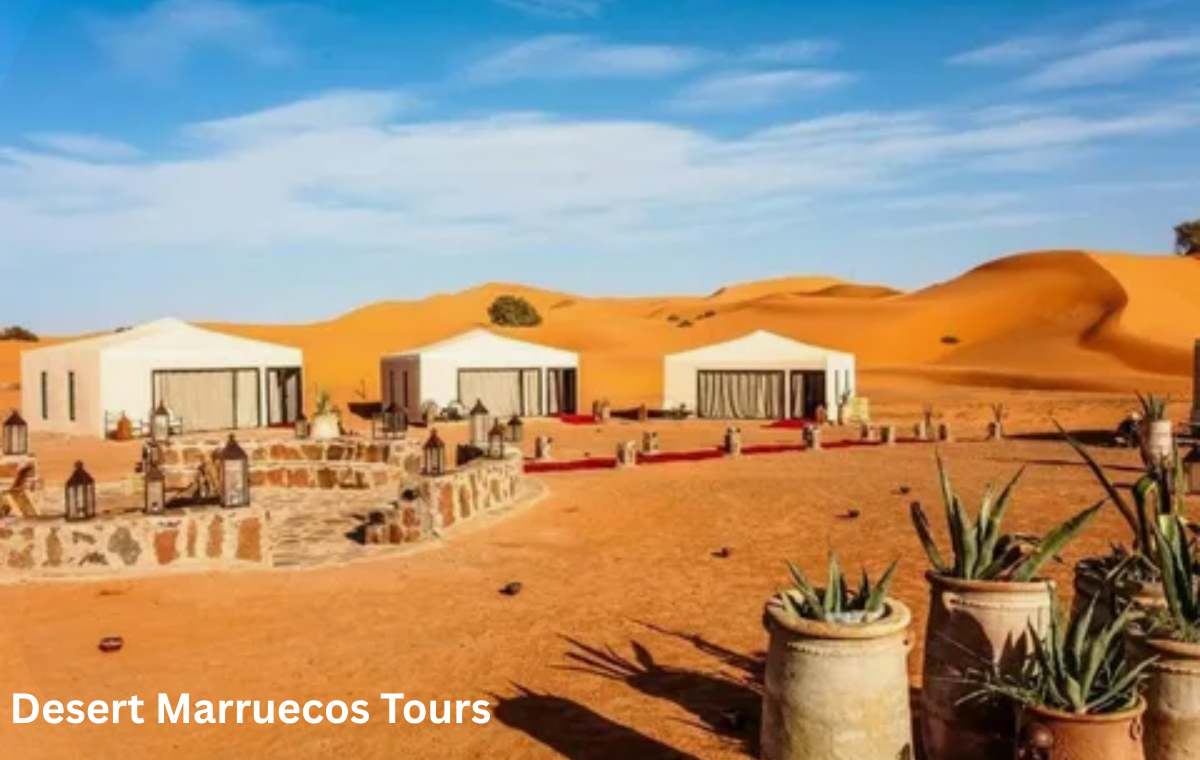
Documents, Cash, and Bags
- Passport (most Western nationalities get 90 days visa-free)
- A printed copy of your itinerary and travel insurance details
- Cash (Moroccan dirham; small notes are useful in rural areas with limited card access)
- A soft duffel bag rather than a hard suitcase – desert camp transfers are easier with soft luggage, and sand gets into every seam of a hard case
- Sealable plastic bags to protect electronics and clothing from sand
Desert Packing List by Season
| Season | Daytime Temp | Nighttime Temp | Key Adjustment |
| Summer (Jun–Oct) | Up to 45–50°C | Warm, 20s°C | Prioritize sun protection over warm layers |
| Winter (Dec–Feb) | ~20–22°C | Near 0°C | Bring a proper warm jacket and thermal layer |
| Spring/Fall (Mar–May, Sep–Nov) | Mild, comfortable | Cool | Balanced packing – light layers plus one warm layer |
Regardless of season, always pack at least one genuinely warm layer – desert nights drop sharply after sunset year-round. For the best overall travel window, see our best time to visit Morocco guide.
What NOT to Bring on a Desert Trip
- Hard suitcases – impractical for camel or 4×4 transfers and hard to keep sand out of
- Drones – often restricted or require permits; many camps and border-adjacent areas prohibit them outright
- Valuable jewelry – unnecessary risk with no practical benefit
- Too many clothing changes – most travelers rotate two to three outfits by day three; the desert rewards light packing
- Flip-flops as your only footwear – fine for camp downtime, not for the camel trek itself
Packing List by Trip Type
| Trip Type | Extra Items to Add |
| 4-day Marrakech desert trip | Light daypack for short dune walks |
| 3-day Marrakech desert trip | Compact packing since transfers are frequent |
| Luxury desert camp stay | Slightly nicer evening outfit for candlelit dinners |
| Photography-focused desert trip | Tripod, extra memory cards, lens cloth for sand |
For camp-tier specific pricing that affects what’s provided at your camp (towels, bedding, etc.), see our luxury desert camp cost guide.
Packing for a Camel Trek Specifically
Since camel saddles in Morocco typically have no stirrups, secure closed-toe shoes matter more here than almost anywhere else on the trip. Loose clothing that won’t catch on the saddle, a scarf to manage blowing sand, and a securely strapped daypack (nothing dangling) make the trek significantly more comfortable.
FAQ: What to Pack for a Moroccan Desert Trip
Do I need a jacket for the Sahara Desert if I’m visiting in summer?
Yes. Even in summer, desert nights cool down significantly after sunset – pack at least a light fleece or long-sleeve layer.
What shoes are best for a camel trek in Morocco?
Closed-toe shoes or trail runners are best; flip-flops and loose sandals risk falling off since camel saddles don’t have stirrups.
How many outfits should I pack for a 3–5 day desert trip?
Two to three rotating outfits are typically sufficient; most desert camps don’t offer laundry, and light packing makes camel and 4×4 transfers easier.
Is a power bank necessary for a desert camp stay?
Yes, most desert camps have limited electricity access, and a power bank (10,000mAh+) keeps your phone and camera charged overnight.
Should I bring a hard suitcase or soft bag for the desert?
A soft duffel bag is strongly preferred – hard suitcases are impractical for camel and 4×4 transfers and let in far more sand.
Do I need special clothing for modesty in the desert region?
Loose, breathable clothing that covers shoulders and knees is respectful in rural desert communities, similar to guidance for the rest of Morocco.
Can I bring a drone to photograph the Sahara dunes?
Drones are often restricted without prior permits, and many operators and border-adjacent desert areas prohibit them – check with your tour operator before packing one.
What’s the single most important item people forget to pack for the desert?
A proper warm layer for nighttime – desert cold at night is consistently underestimated by first-time visitors.
Ready for Your Desert Trip?
Packing right makes the difference between an uncomfortable night and a genuinely memorable one under the Sahara stars. If you’d like help matching your packing list to a specific route and camp tier, contact us, browse our desert trip options, or check more seasonal tips on our Morocco travel blog.